Unlock Healthier Hair: Understanding Modern Hair Growth Support
Healthy, full-looking hair starts below the surface. While many people focus on styling products or quick fixes, true hair vitality depends on what’s happening at the follicular and cellular level.
Today, advances in hair science are shifting the conversation away from single-ingredient solutions toward multi-pathway support that addresses inflammation, stress, and aging—all key contributors to thinning hair.
Why Hair Thinning Happens
Hair loss and thinning are rarely caused by just one factor. Instead, they tend to result from a combination of internal and external influences, including:
- Chronic stress and inflammation that disrupt the hair growth cycle
- Hormonal fluctuations, especially those linked to DHT
- Cellular aging, which impacts follicle efficiency
- Environmental exposure that weakens scalp health over time
Because these triggers are interconnected, supporting hair health often requires a more comprehensive approach.
The Shift Toward Internal Hair Support
Modern hair wellness strategies increasingly include nutritional and cellular support, not just topical products.
Rather than relying on a single nutrient like biotin, newer formulations are designed to support:
- Cellular energy production
- Antioxidant defense
- Hormonal balance
- Scalp environment optimization
This broader approach helps create conditions where hair can grow more consistently and resiliently over time.
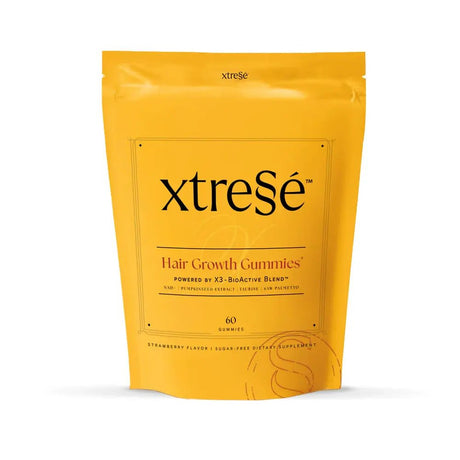
Some routines include targeted nutritional support, such as Xtressé Hair Growth Gummies, to help reinforce hair health from within as part of a broader approach.
Key Nutrients Linked to Hair Health
Certain ingredients have gained attention for their role in supporting healthier hair growth environments:
- NAD+: Supports cellular energy and metabolic function
- Pumpkin seed extract: Associated with antioxidant and scalp-supportive properties
- Taurine: Helps maintain follicle structure and resilience
- Saw palmetto: Commonly used in hair routines targeting DHT-related concerns
- Adaptogens like ashwagandha: Help manage stress, which can influence shedding
Supporting Hair from the Outside In
While internal support plays an important role, the scalp environment is equally critical.
Topical scalp treatments can help:
- Maintain a balanced scalp environment
- Support the appearance of fuller, healthier hair
- Complement internal wellness strategies
For those building a complete routine, targeted options like the Xtressé FR Concentrate Serum can be incorporated as part of a broader approach to scalp care and hair maintenance.
Building a Consistent Hair Routine
Hair growth takes time, and consistency matters more than quick results. A well-rounded routine may include:
- Daily nutritional support
- Scalp-focused treatments
- Gentle hair care practices
- Stress and lifestyle management
Over time, these habits can help support stronger, more resilient-looking hair.
A Smarter Approach to Hair Wellness
Instead of focusing on one product or quick fix, today’s most effective hair strategies take a long-term, systems-based approach.
By supporting both internal and external factors, you create an environment where hair can thrive naturally—without over-relying on any single solution.
Final Thoughts
Hair health is a journey influenced by biology, lifestyle, and consistency. With modern advancements in ingredient science and formulation strategies, it’s now possible to support that journey in a more thoughtful and comprehensive way.
If you’re exploring ways to improve the look and feel of your hair, focusing on overall scalp health and internal balance is a strong place to start. Read our Hair Loss Guide.